
|
Click Here for a Printable Version of this page.
Click here to View our Cartoon Collection |
Top UK Destinations for Horseback AdventuresGalloping along a windswept Cornish beach or winding through heathered hills in the Scottish Highlands, riders can find unmatched freedom on UK trails. From Exmoor’s wooded valleys to the open moorland of Yorkshire, landscapes change every few miles. Riding holidays often run from a single morning to full week-long treks, with stables catering to both seasoned riders and complete beginners. The choice of terrain, guide, and horse shapes the experience:
Knowing the landscape, access rules, and weather patterns makes it easier to match the right region to personal riding goals. Which UK regions offer the most variety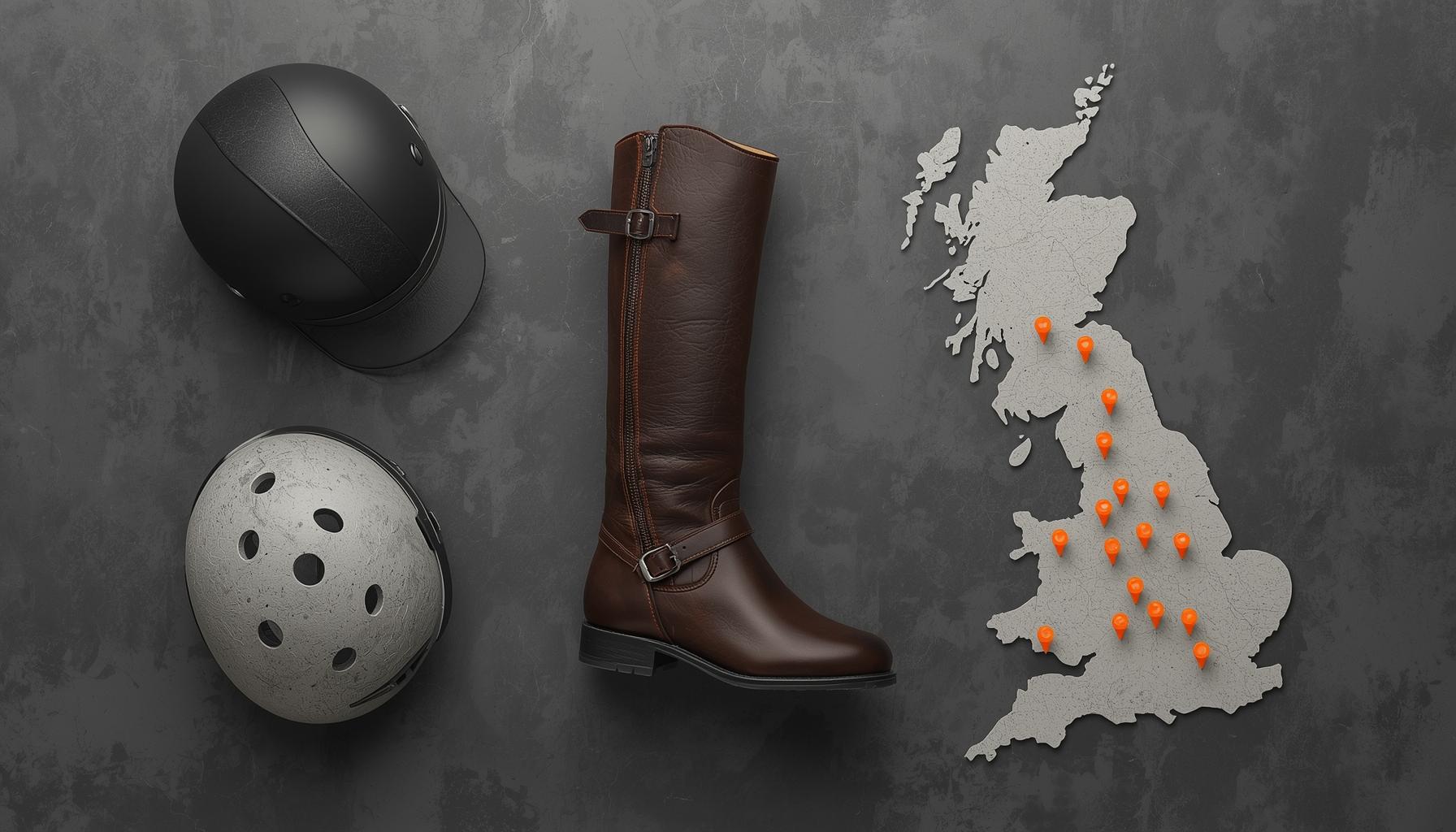 Wales and Scotland deliver unmatched variety for horseback adventures, combining rugged highlands with sweeping coastal paths. While southern England features rolling downs and forest trails, the north brings moorland and dramatic cliffs that few expect so close together.
Riders chasing new experiences on every outing benefit most from these diverse regions. Local guides often know seasonal access points and shortcuts that open up even more ground. How riding experiences differ by locationA windswept Scottish moor offers a wildly different ride than the forested bridleways of Surrey. Changes in elevation, soil softness, and local traditions shape each journey in the saddle. From galloping beaches in Wales to stone-walled lanes in Yorkshire, each location adds new challenges and rewards for both horse and rider. Mountain trails versus coastal ridesRiders crossing the Lake District’s mountain trails face steep climbs and sharp descents that test both horse and human. Along the Pembrokeshire coast, shifting sands and sudden winds force a different kind of alertness and control.
Overestimating the ease of a coastal ride often leads to horses tiring quickly in deep sand. Local guides familiar with the terrain prevent avoidable incidents and set a suitable pace for each group. Rural countryside compared to forest tracksOpen farmland in the Cotswolds offers broad views and long gallops, while the ancient woods of Sherwood Forest demand careful navigation along winding trails. These terrains shape not only the physical pace but also the wildlife encountered and the length of outings possible:
Riders with an interest in local wildlife gain most when shifting from open fields to forested paths. Evening outings in woodland often bring glimpses of elusive animals that rarely appear in pastures. Distinct terrain and local heritage set the tone for every ride across the UK. Matching the landscape to the rider’s skill and sense of adventure shapes the experience more than any other factor. What to expect for beginners and experts Guided treks in the Scottish Highlands offer gentle trails for novices and challenging terrain for skilled riders. Some stables provide tuition and calm horses for beginners, while advanced riders access longer routes or cross-country options. Tailored guidance ensures each person finds a suitable pace and level of adventure. Destinations with guided beginner treksMany riding centres in the Lake District and the Scottish Borders specialise in supporting those who have never ridden before. Even nervous adults can find reassurance in the smaller group sizes and patient instructors common at these locations. The New Forest offers gentle woodland trails with horses matched to the rider’s ability. Staff explain the basics before every trek, covering mounting, reins, and balance. Safety helmets and boots are always provided as part of the package. Yorkshire Dales stables focus on clear communication and short introductory sessions. Ponies are calm and trail routes avoid steep hills or water crossings. Guides ride alongside and adjust the pace as needed for comfort. Confidence grows fastest when the route is predictable and guides stay close. Instructors often pause the ride to correct posture or answer questions. Challenging routes for seasoned ridersSome of Britain’s most demanding horseback adventures require stamina, technical skills, and a willingness to tackle rugged landscapes. Several regions cater to experienced equestrians who seek more than just scenic walks. Opportunities for challenging rides emerge in places like:
Underestimating the demands of these routes often leads to exhaustion or injury for both horse and rider. Riding centres in these areas often require proof of advanced ability before allowing access to the most technical trails. Facilities range from riding arenas and safety briefings for new riders to technical routes for experienced equestrians. Destinations that match skill with environment help build confidence and deliver genuine challenge. Who should avoid certain destinations Remote routes across the Scottish Highlands or Wales often present challenges for beginners or anyone with mobility issues. Long treks and uneven ground require stamina and some riding experience. Popular beach rides in Cornwall limit group size for safety and environmental protection. Families with young children may find restrictions on age or minimum riding ability. Private estates in the Lake District sometimes require riders to hold specific qualifications or bring their own gear. Lack of preparation can lead to refused entry or shortened rides. |


